A sales cadence is a structured, multi-channel outreach plan that spans email, phone, LinkedIn, and SMS over a fixed period of days to reach a single prospect. Unlike a cold email sequence which lives in email only, a sales cadence blends channels and assumes a human SDR drives some touches manually. Most B2B cadences run eight to twelve touches across two to three weeks.
What Is a Sales Cadence in Plain Terms
A sales cadence is a written playbook that lists every outreach touch an SDR makes to one prospect, including the channel, the day, the message, and the goal of each touch. The cadence is the discipline that keeps an SDR from forgetting touches or hammering the same prospect three times in one day.
- Definition: A structured, written playbook that maps out every outreach touch an SDR sends to a single prospect across all channels over a defined period.
- Origin: The term emerged around 2015 when SalesLoft and Outreach popularized the framework as a structured replacement for ad-hoc SDR inbox triage.
- Scope: Covers email, phone, LinkedIn, and SMS in one coordinated playbook, unlike a cold email sequence which handles only the email channel.
- Manual vs automated: A cadence mixes automated email touches with manual phone calls and LinkedIn DMs, giving SDRs flexibility at each touch point.
- Goal: Move a single prospect from first contact to a booked meeting or qualified conversation within the cadence window.
“Cold calling is the solicitation of business from potential customers who have had no prior contact with the salesperson conducting the call.”
: Wikipedia, Cold calling
A sales cadence is the multi-channel outreach playbook an SDR follows for each prospect. Email plus phone plus LinkedIn, written down.
Why Did Sales Teams Start Using Cadences
Sales teams adopted cadences around 2015 when inside sales scaled past single-channel outreach and SDRs needed a way to coordinate email, phone, LinkedIn, and SMS without dropping prospects between touches. The cadence framework turned SDR work from inbox triage into pipeline discipline.
- Pre-cadence chaos: Before 2015, SDRs worked from inbox queues : responding to replies, sending one-off follow-ups, and losing track of cold prospects who never replied to email one.
- Platform normalization: SalesLoft and Outreach built dedicated cadence modules that gave SDR managers visibility into every touch, turning outreach from a solo activity into a managed process.
- Multi-channel coordination: As LinkedIn and mobile became standard B2B channels, a written cadence prevented SDRs from over-indexing on email and missing prospects who respond only on phone or LinkedIn.
- Pipeline discipline: Cadences converted SDR work into a repeatable, measurable process that sales managers could audit, optimize, and replicate across teams.
- Quota accountability: With every touch logged in a platform, SDR managers could tie cadence activity directly to pipeline generated, creating a clear performance feedback loop.
Cadences emerged when SDRs ran multi-channel outreach and needed a playbook to coordinate every touch without dropping prospects.
Cadence vs Sequence: What Is the Real Difference
A sales cadence covers multiple channels (email, phone, LinkedIn, SMS) and mixes manual SDR work with automation, while a cold email sequence is email-only and fully automated. Cadence is broader in scope; sequence is one component inside a cadence.
- Channel scope: A sales cadence spans email, phone, LinkedIn, and SMS, while a cold email sequence operates only inside the email channel from first touch to breakup email.
- Automation level: A cadence mixes manual SDR actions like phone calls and LinkedIn DMs with automated emails, while a sequence runs fully automated end-to-end without human intervention between sends.
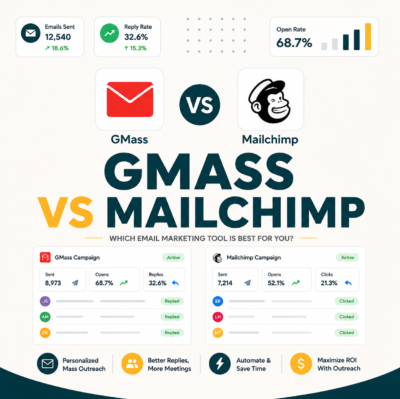
- Tool category: Cadences run on sales engagement platforms like SalesLoft and Outreach, while sequences run on cold email tools like GMass, Mailshake, and Lemlist that operate inside Gmail or SMTP.
- Team fit: Cadences fit organized SDR teams with manager oversight and a dedicated sequence platform, while sequences fit solo founders and lean teams that need fully automated outreach with no manual overhead.
- Cadence length: A cadence typically runs two to three weeks across eight to twelve touches, while a cold email sequence usually completes in seven to fourteen days across three to six automated emails.
Cadence is multi-channel and mixes manual plus automated. Sequence is email-only and fully automated. For teams using GMass vs Mailshake, both tools handle the sequence layer : not the full cadence.
What Channels Belong in a Sales Cadence
A standard B2B sales cadence uses four channels in rotation: email, phone, LinkedIn, and SMS. Email and LinkedIn handle high-volume touches, phone and SMS handle high-intent moments late in the cadence. Skipping channels misses prospects who hide on one platform but respond on another.
- Email: The default automated channel that carries the bulk of cadence touches and scales to hundreds of prospects per SDR per week with cold email sequence tools like GMass or Mailshake.
- Phone: A high-intent manual channel used for cold calls and voicemails on touch three and touch six, where reaching a live person spikes meeting book rate above what email alone achieves.
- LinkedIn: A relationship-building channel that opens with a connection request, follows with a personalized DM, and lifts reply rate across the rest of the cadence by establishing familiarity before the next email.
- SMS: A late-cadence high-intent channel reserved for prospects who already showed interest : used sparingly because cold SMS is invasive and faces stricter consent rules in most jurisdictions.
- Video: Some modern cadences add one or two personalized video touches via Loom or BombBomb for high-value enterprise prospects, combining visual personalization with async delivery.
Need to automate the email layer of your cadence from Gmail?
Learn More About GMass →Free plan available. Sends from your existing Gmail or Workspace inbox.
Email plus phone plus LinkedIn plus SMS. Each channel does a specific job inside the cadence, and dropping one shrinks reach for the prospects who only surface on that channel.
What Does a Standard Sales Cadence Look Like
A standard B2B sales cadence runs eight to twelve touches across two to three weeks, mixing automated emails with manual LinkedIn and phone touches. Day zero opens with email plus LinkedIn connect, day two adds a phone call, and the cadence ends near day fifteen with a polite breakup email.
Source: SalesLoft Cadence Benchmark 2024. State of Sales Engagement
Eight to twelve touches across two to three weeks. Email plus LinkedIn on day zero, phone on day three, breakup email on day fifteen : spacing matters as much as sequence.
What Tools Run Sales Cadences
The three platforms most B2B sales teams use for cadences are SalesLoft, Outreach, and Apollo. SalesLoft and Outreach lead the enterprise market with Salesforce-tight integration and SDR manager analytics. Apollo bundles cadences with prospect data at a lower price for SMB and mid-market teams.
- SalesLoft: The enterprise cadence standard with native Salesforce sync, AI-powered call coaching, and a unified inbox for email, phone, and LinkedIn touches. Typically priced at $125 to $175 per user per month.
- Outreach: SalesLoft’s closest competitor with an AI-heavy product roadmap, multi-channel cadence builder, and robust analytics for SDR managers running large teams.
- Apollo: An SMB-friendly option that bundles a prospect database with cadence functionality at $60 per user per month, removing the need for a separate data tool alongside the cadence platform.
- GMass and Mailshake: Cold email sequence tools that handle only the email channel inside Gmail. They run the automated email layer of a cadence rather than managing the full multi-channel playbook. For SDRs comparing options, our GMass vs Mailshake comparison breaks down which works better for the email channel of a cadence.
“A sales cadence is a sequence of organized communications used to turn a prospect into a customer.”
: HubSpot, Sales Blog
“When you layer GMass onto an outbound cadence, the email touches run automatically inside Gmail while phone and LinkedIn stay manual : giving SDRs the automation of a sequence tool inside the email channel they already own.”
: Growth Hack Suite, GMass for Cold Email: Full SDR Review
SalesLoft and Outreach lead enterprise cadences. Apollo wins SMB. GMass and Mailshake handle the email channel only and work as the sequence layer inside a broader multi-channel cadence.
Can You Run a Cadence Without a Cadence Platform
Running a cadence without a dedicated platform is possible for solo founders and tiny SDR teams using a Google Sheet as the playbook and Gmail plus LinkedIn plus a phone for execution. The trade-off is visibility: no manager dashboard, no aggregated reply rate, no automated reminder for the next touch.
- Build the playbook in Google Sheets: Columns: Prospect name, Company, Email, LinkedIn URL, Day 0 sent, Day 3 called, Day 5 sent, Day 7 LI DM, and so on. One row per prospect.
- Automate email with a sequence tool: Use GMass, Mailshake, or a similar tool to handle the automated email touches inside your existing Gmail account, triggering follow-ups on your cadence schedule.
- Log every manual touch: After each phone call or LinkedIn DM, update the sheet with date and outcome. This is the manual overhead a platform eliminates : but for small teams, it works.
- Set daily calendar reminders: Block 30 minutes each morning for cadence phone calls and 20 minutes for LinkedIn DMs. Without platform reminders, calendar blocks prevent phone touches from falling through.
- Review weekly: Every Friday, update prospect statuses (replied, booked, no response, dead), remove exits from active cadence rows, and add new prospects to keep the pipeline moving.
Running the email layer of your cadence from Gmail?
Try GMass Free →Send automated follow-ups from your existing Gmail inbox. No credit card required.
Yes for solo founders using a Google Sheet and Gmail. No dedicated platform dashboards and no aggregated metrics, but zero software cost for small teams starting out.
What Reply Rate Should a Sales Cadence Hit
A healthy multi-channel sales cadence in B2B should hit a six to ten percent reply rate across all touches, with two to three percent of prospects booking a meeting. Reply rate under three percent points to either a list problem or a missing channel that the cadence skipped entirely.
Source: Outreach Sales Engagement Index 2024, accessed 2026-05-27. Sales Engagement Index
Diagnosing a sub-3% reply rate means checking the prospect list quality first (is the ICP right?), then verifying channel mix (did every SDR complete the phone touches, or did they skip dialing?). Our cold email benchmark data shows the email-only baseline for comparison.
Six to ten percent reply rate and two to three percent meeting book rate. Under three percent points to a list problem or a missing channel that was skipped in execution.
How Many Prospects Can One SDR Run in a Cadence
One SDR can run roughly one hundred to two hundred active prospects in a cadence at any given time, depending on how many channels stay manual versus automated. Email-heavy automated cadences scale to two hundred, while phone-heavy cadences cap near one hundred because dialing is the bottleneck.
- Email-heavy ceiling (200 prospects): When automated email carries six of ten touches and phone is limited to two, each manual touch takes two to three minutes, keeping the daily manual workload under ninety minutes for 200 active prospects.
- Phone-heavy ceiling (100 prospects): When the cadence includes four or more phone touches, dialing, waiting for voicemail, and leaving a thirty-second VM takes three to five minutes per prospect, filling an SDR’s available calling window at around 100 prospects.
- LinkedIn manual limit (50 connects/day): LinkedIn’s native daily connection request cap sits at roughly fifty per day, which becomes the ceiling for LinkedIn-heavy cadences with multiple SDRs sharing an account or using personal profiles.
- Optimal active load (150 prospects): Most SDR managers target one hundred to one hundred fifty active prospects per rep as the sweet spot : enough volume to generate meetings without sacrificing personalization quality on each touch.
- New prospect add rate: A healthy cadence needs a constant inflow of fifteen to twenty new prospects per week to replace those who reply, exit, or complete the full cadence without a booked meeting.
One hundred to two hundred active prospects per SDR. Email-heavy cadences hit the upper end; phone-heavy cadences hit the lower end because dialing time is the constraint.
When Should You Use a Cadence Instead of a Sequence
Use a multi-channel cadence when the deal value is over ten thousand dollars per year, when the target persona is hard to reach by email alone, or when the team has at least one full-time SDR who can run manual touches. Stick with a cold email sequence when running solo or chasing SMB deals under five thousand dollars.
- Choose a cadence when ACV exceeds $10,000: High-value deals justify the manual touch cost. A single booked meeting from a phone call on touch three recovers the SDR time across the full cadence.
- Choose a cadence when the ICP is hard to reach by email: Finance and legal personas respond below median on email. Adding phone and LinkedIn to the mix recovers reply rate for these channels where email open rates are structurally low.
- Choose a cadence when you have SDR headcount: Manual phone and LinkedIn touches require dedicated time. A solo founder chasing 500 leads cannot add phone to the mix without hiring; a sequence scales with zero marginal labor.
- Choose a sequence when ACV is under $5,000: Low-ACV products cannot absorb the per-rep cost of manual cadence touches. A fully automated cold email sequence via GMass or Mailshake generates comparable pipeline per dollar spent.
- Choose a sequence when running solo: Solo founders, freelancers, and lean teams lack the time for phone-heavy cadences. Automated sequences via Gmail-based tools deliver personalized outreach at scale with no manual overhead per touch.
Cadence wins at $10k+ ACV, hard-to-reach personas, and SDR teams with capacity for manual touches. Sequence wins solo and for SMB deals where automation needs to cover every touch. For more on the cost-per-meeting math, see our cost per booked meeting guide.
Common Mistakes in Sales Cadence Design
The four mistakes that wreck sales cadences are skipping the phone channel to save time, scheduling every touch on the same weekday, copying enterprise cadences for SMB markets, and never reviewing cadence performance weekly. Each one quietly drags reply rate down without an obvious failure point.
- Email-only cadence: Stripping out phone and LinkedIn turns the cadence into a sequence and cuts off prospects who only surface on non-email channels. SDRs who hate cold calling often build email-only cadences by default.
- Same-weekday clustering: Scheduling every email touch on Tuesday means the prospect sees a pattern, and their email client may batch or suppress the repeated sender. Spread touches across Monday, Wednesday, and Friday to avoid rhythm detection.
- Wrong market template: Enterprise cadences run twelve touches over three weeks because the buying committee is large. SMB cadences should run six to eight touches over ten days. Applying enterprise timing to SMB prospects burns SDR time on prospects who decide fast.
- Skipping the weekly review: Cadences without weekly performance review accumulate underperforming sequences that keep running on autopilot. A Friday review catches dead batches and removes wasted phone touches from prospects who stopped opening emails.
- Generic subject lines across all touches: Using the same subject line format on touch one, four, and seven signals automation to spam filters and reduces open rate on follow-up emails. Each email touch needs a distinct subject line pattern.
Skipping phone, same-weekday clustering, wrong market template, no weekly review, and generic subject lines : five quiet killers that compound into poor cadence ROI.
How Does a Cadence End for a Prospect
A cadence ends for a single prospect on any positive reply, opt-out request, voicemail callback, or completion of the final touch in the playbook. Most modern cadence tools also offer manual exits when the SDR marks the prospect as not-a-fit or moves them to a different cadence stage.
- Positive reply: Any reply to a cadence email triggers automatic exit from remaining automated touches. The SDR picks up the conversation manually at this point, converting the thread into a booked meeting or discovery call.
- Opt-out request: A prospect who replies asking to be removed from outreach must be exited immediately and added to the suppression list. Cadence platforms handle this automatically on reply detection; manual sequences require SDR action within 24 hours.
- Voicemail callback: When a prospect calls back after a voicemail touch, the SDR manually exits the prospect from remaining automated touches and transitions to a live conversation workflow.
- Cadence completion: A prospect who reaches the final touch (day fifteen breakup email) without replying exits automatically. They move to a nurture list or re-enter a new cadence after a 60-90 day cooling period.
- Manual not-a-fit exit: SDRs can mark any prospect as disqualified mid-cadence and remove them from all remaining touches. This preserves sender reputation by stopping outreach to contacts who will never convert.
Ready to set up the email layer of your first sales cadence?
Try GMass Free →Automated follow-ups and reply detection built into Gmail. Free plan, no credit card.
Reply, opt-out, callback, or completion ends the cadence. SDRs also manually exit unfit prospects mid-cadence to protect sender reputation and save team time on non-convertible contacts.
Frequently Asked Questions About Sales Cadences
What is a sales cadence in one sentence?
A sales cadence is a structured multi-channel outreach playbook that lists every touch an SDR makes to a prospect across email, phone, LinkedIn, and SMS over a defined period of days.
Is a cadence the same as a sequence?
A cadence is broader than a sequence: a cadence spans multiple channels including email, phone, and LinkedIn, and mixes manual SDR actions with automation. A sequence is email-only and runs fully automated from first send to breakup message.
Where did the term sales cadence come from?
The term sales cadence emerged around 2015 when SalesLoft and Outreach popularized structured outreach as a replacement for ad-hoc SDR inbox management. Before that, SDRs followed informal follow-up habits without a written playbook or channel schedule.
Do you need a sales engagement platform to run a cadence?
A dedicated platform is not required for small teams. Solo founders and tiny SDR teams run cadences using a Google Sheet as the playbook and Gmail plus LinkedIn plus a phone for execution, trading manager dashboards for zero software cost.
Why use a cadence instead of just cold email?
A multi-channel cadence reaches prospects who hide on one channel but respond on another. LinkedIn DMs convert prospects who ignore email. Phone calls surface interest that email never surfaced. For high-ACV B2B deals, the additional meeting rate from non-email channels justifies the manual touch cost.
Does a cadence work for inbound leads too?
Yes, inbound leads benefit from a tailored cadence focused on speed-to-lead and consultative follow-up. Inbound cadences are usually shorter : four to six touches over five to seven days : and more consultative in tone than outbound cadences targeting cold prospects.
How much does a cadence platform cost?
Enterprise cadence platforms like SalesLoft and Outreach cost roughly $125 to $175 per user per month. Apollo offers cadence functionality inside its $60 per user per month tier bundled with a prospect database. GMass runs the email sequence layer from $25 to $50 per month depending on volume.
Can a cadence cover both email and phone in one tool?
Modern cadence platforms like SalesLoft, Outreach, and Apollo unify email, phone, LinkedIn, and SMS in one workspace. The SDR sees the next required touch regardless of channel, eliminating tab-switching and missed manual touches that drop prospects mid-cadence.
How many touches does a standard sales cadence include?
A standard B2B sales cadence runs eight to twelve touches across two to three weeks, mixing automated emails with manual phone and LinkedIn touches. Enterprise cadences trend toward twelve touches; SMB and mid-market cadences often complete in eight to ten touches over a shorter window.
What is the median reply rate for a sales cadence?
A multi-channel B2B sales cadence achieves a median six to ten percent reply rate across all touches, with two to three percent of prospects booking a meeting across the full cadence period. SaaS averages seven percent reply; fintech averages nine percent according to the Outreach Sales Engagement Index.
How many channels does a typical sales cadence use?
A typical sales cadence uses four channels: email, phone, LinkedIn, and SMS. Email and LinkedIn carry the highest-volume touches across the full cadence window, while phone and SMS reserve high-intent moments mid-cadence and late in the sequence when prospect engagement is most likely.
What is the difference between a cadence exit and a sequence stop?
A cadence exit stops all remaining touches across every channel when triggered : email, phone reminders, and LinkedIn DMs all pause. A sequence stop only halts the automated email queue. Cadence exits are broader because they cover multi-channel touch schedules, not just the email automation pipeline.