CDN: What It Is and How It Speeds Up WordPress
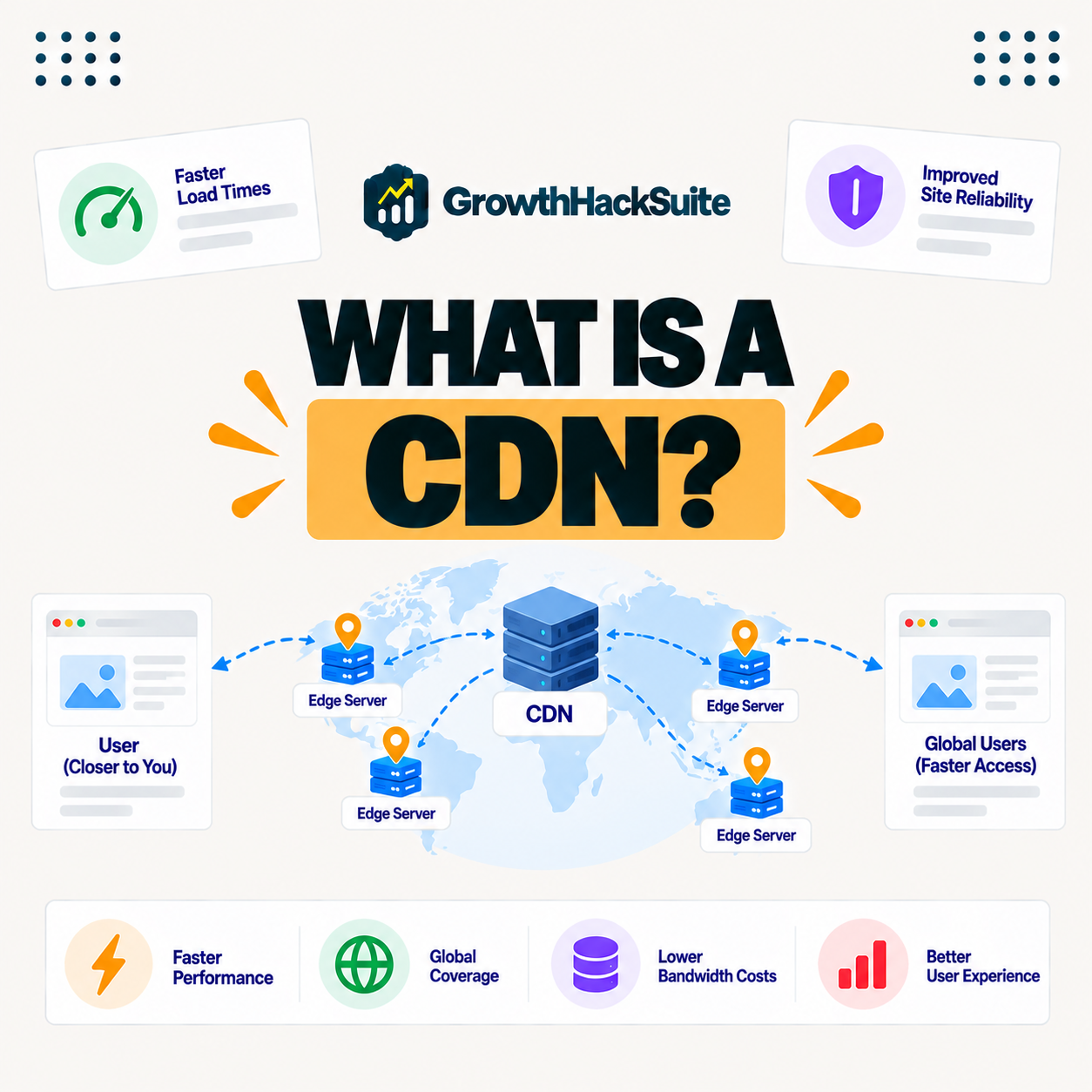
A CDN is a network of servers that delivers your site's content from locations near visitors. Learn how a CDN works and why it speeds up WordPress sites.
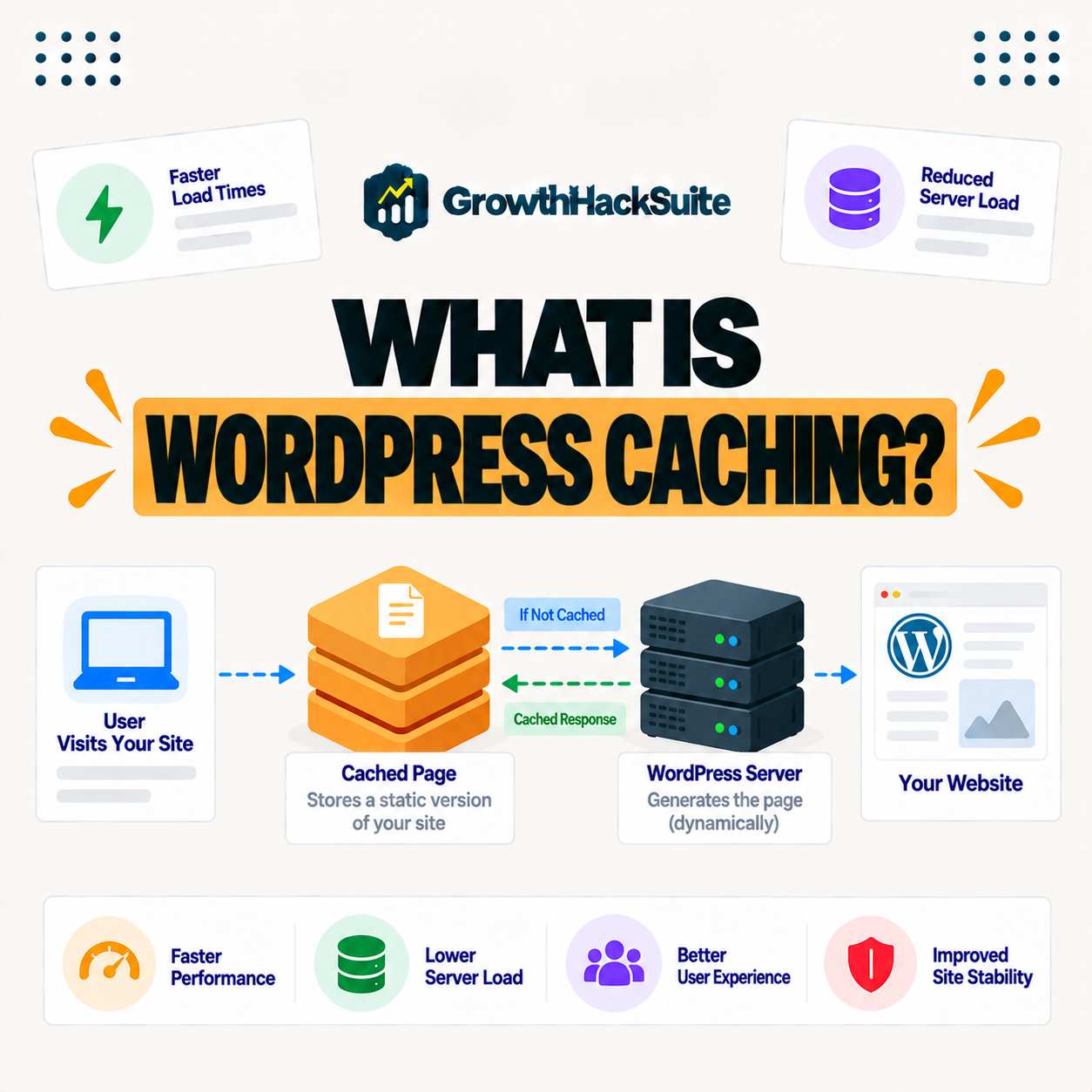
WordPress caching stores versions of your pages so they load faster. Learn the types of caching, how they work together, and how to set caching up on your site.
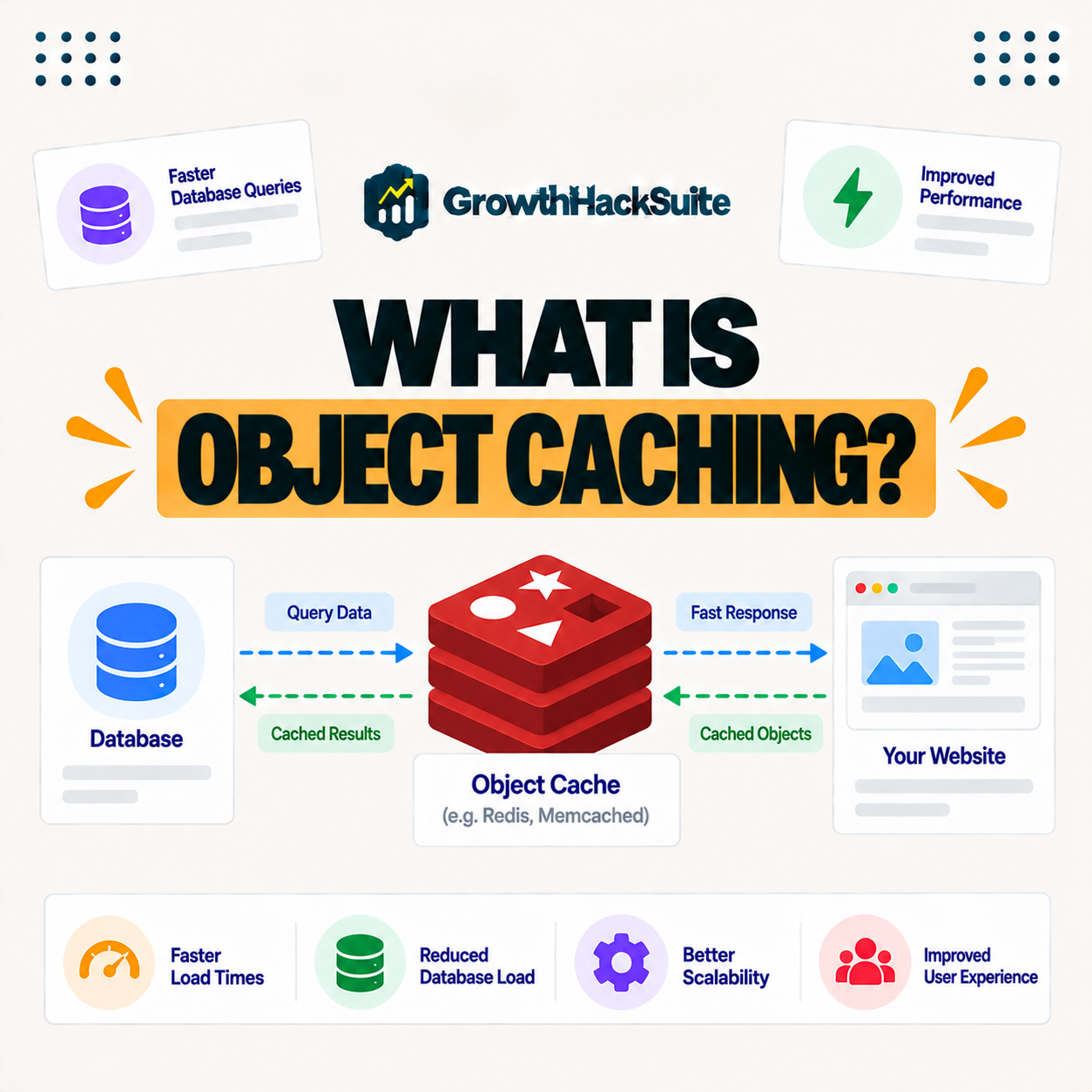
Object caching stores database query results so dynamic pages load faster. Learn how object caching and Redis work and when your WordPress site needs it.
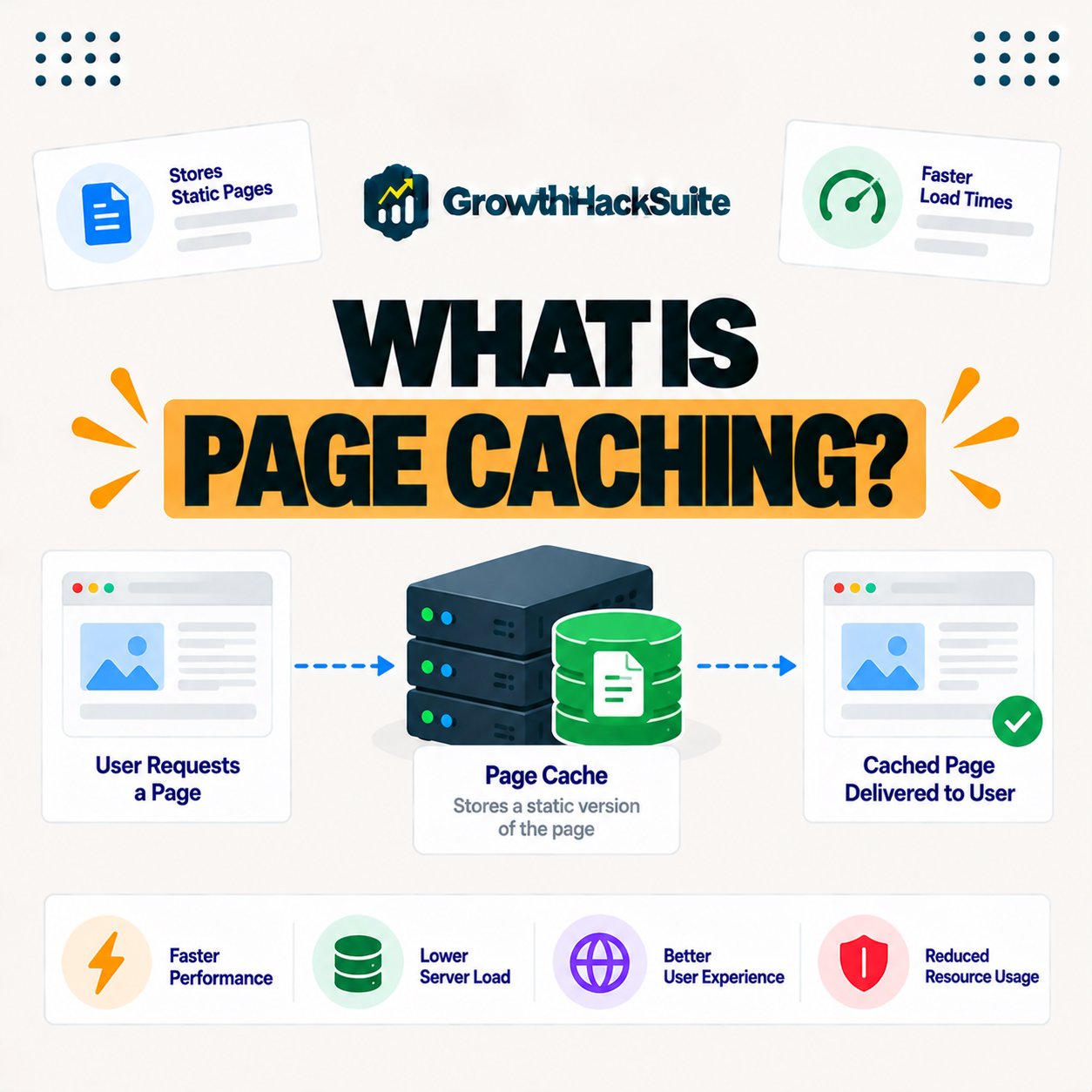
Page caching stores a fully rendered copy of a page so it loads instantly on repeat visits. Learn how page caching works and why it speeds up WordPress sites.
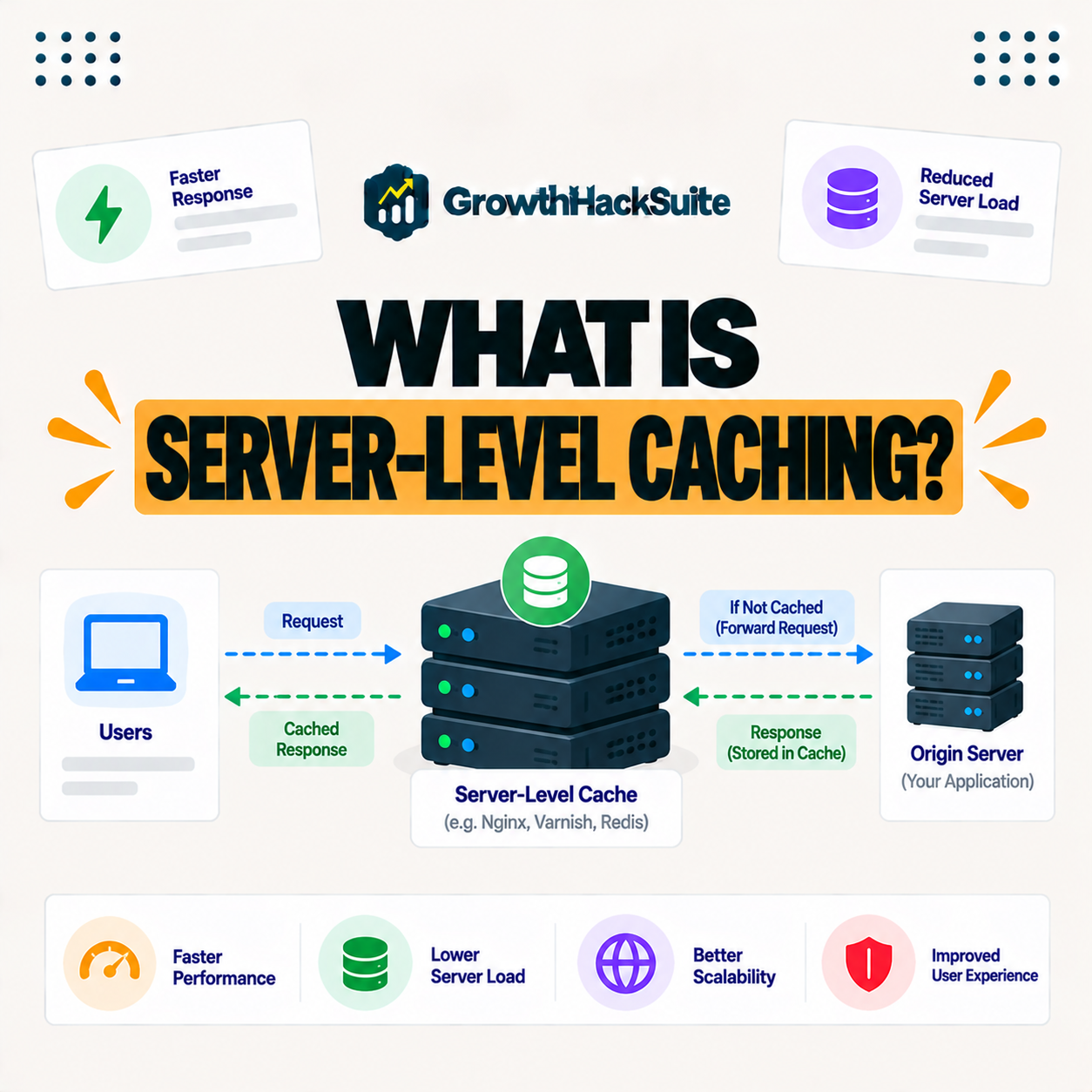
Server-level caching happens on the server itself rather than through a plugin. Learn how it works and why it outperforms caching plugins for WordPress.
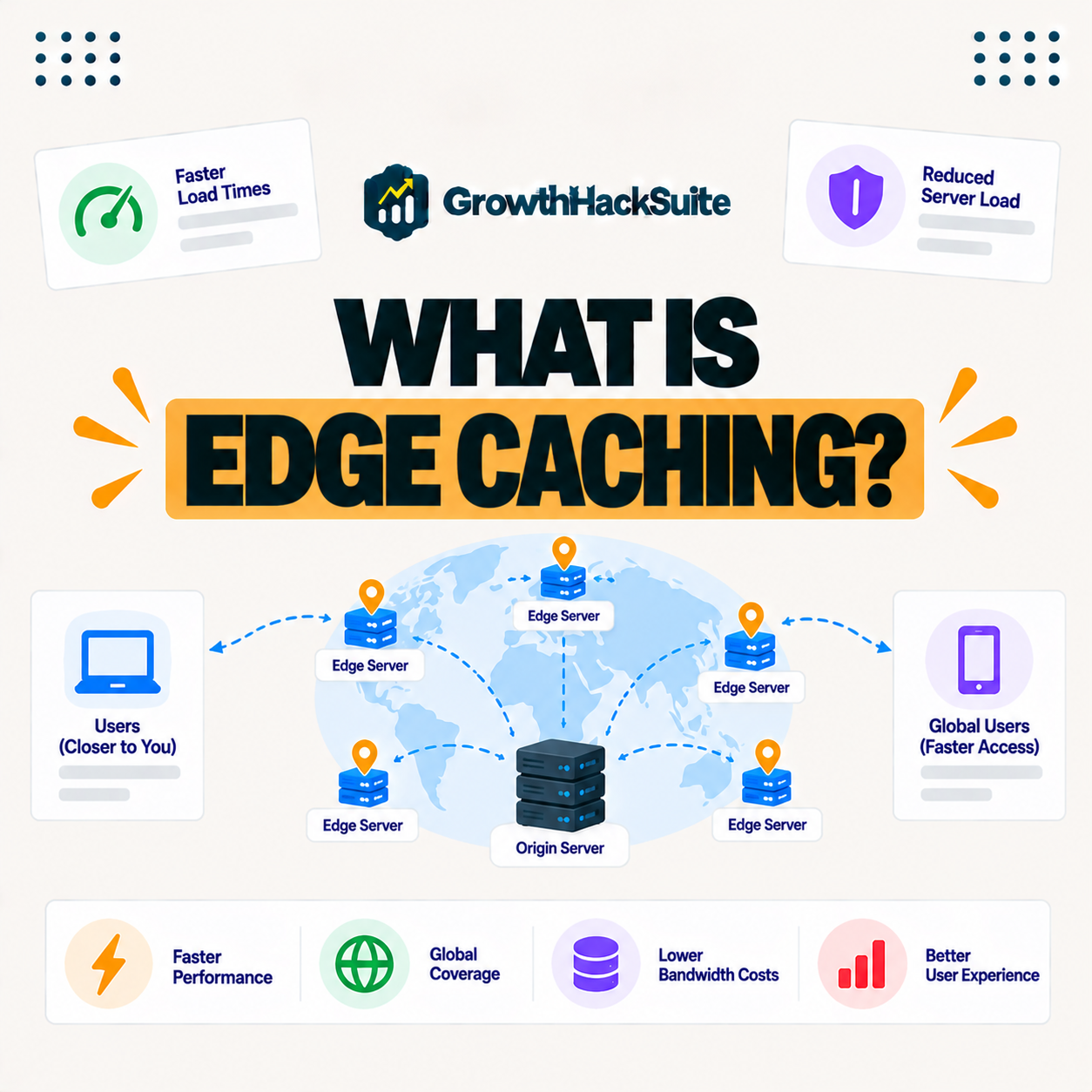
Edge caching stores your pages at servers near visitors so they load faster. Learn how edge caching works, how it differs from origin caching, and its benefits.
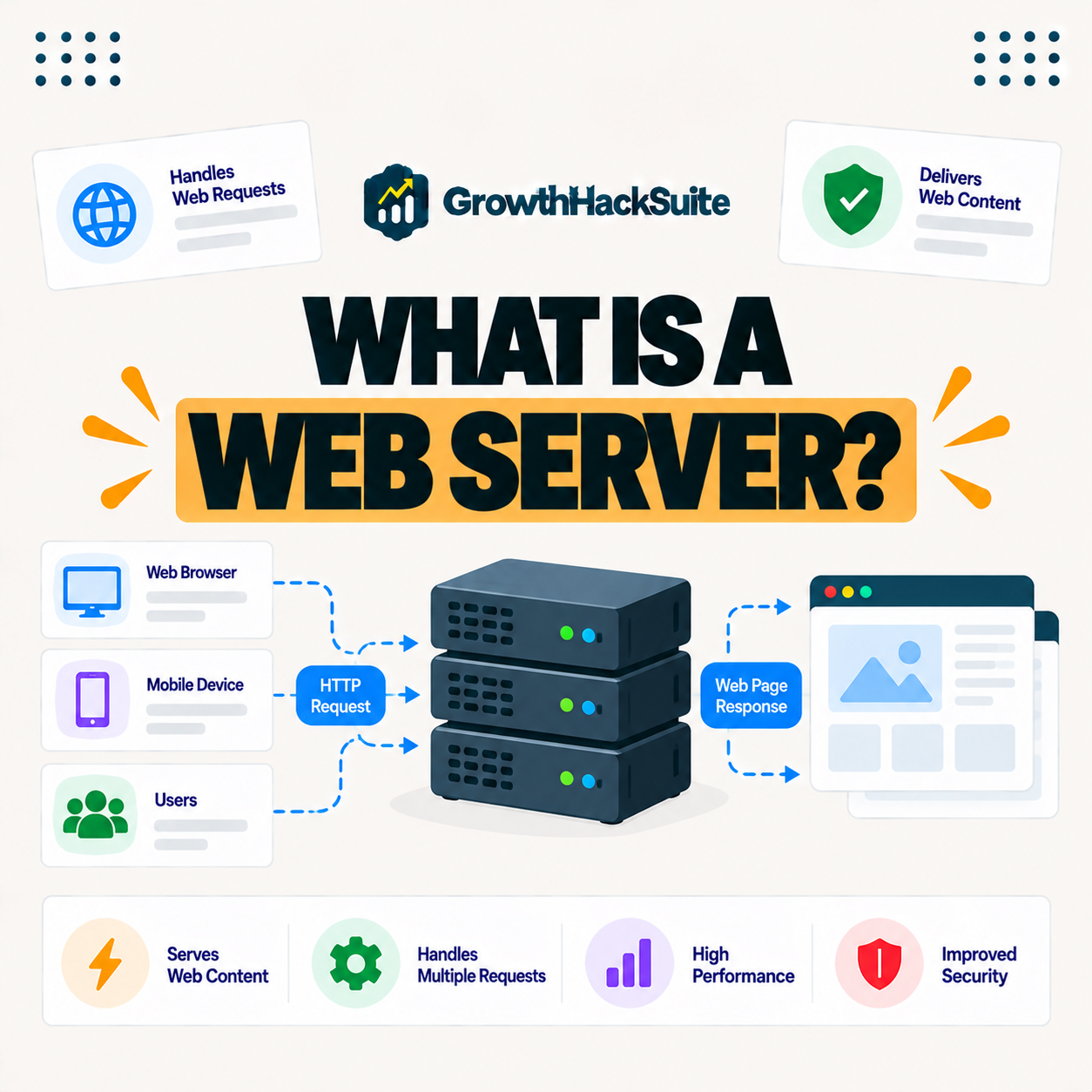
A web server stores your website and delivers its pages to visitors' browsers. Learn how web servers work, common software, and how they relate to hosting.
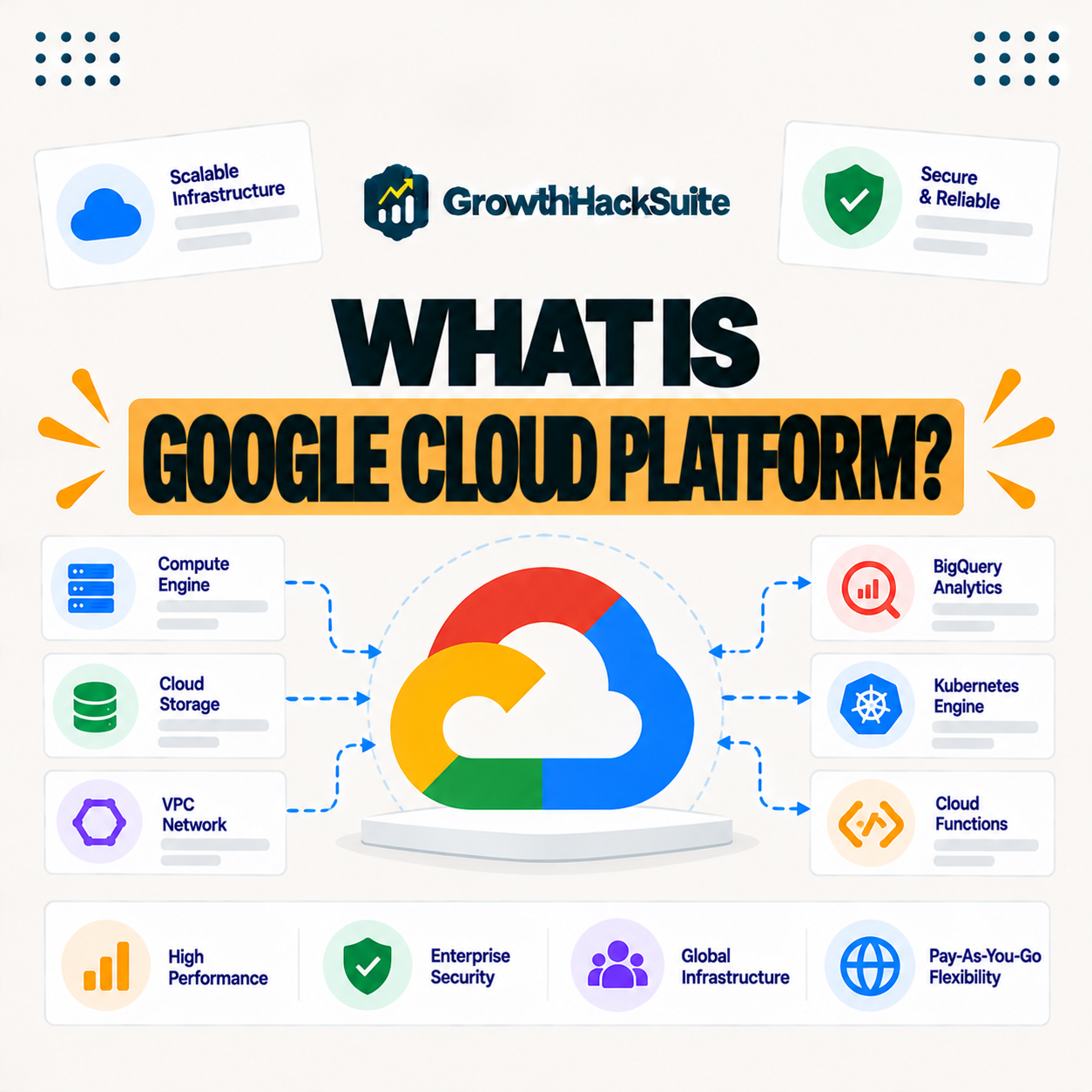
Google Cloud Platform is Google's cloud infrastructure for running apps and websites. Learn what it is, its benefits, and why managed hosts build on it.
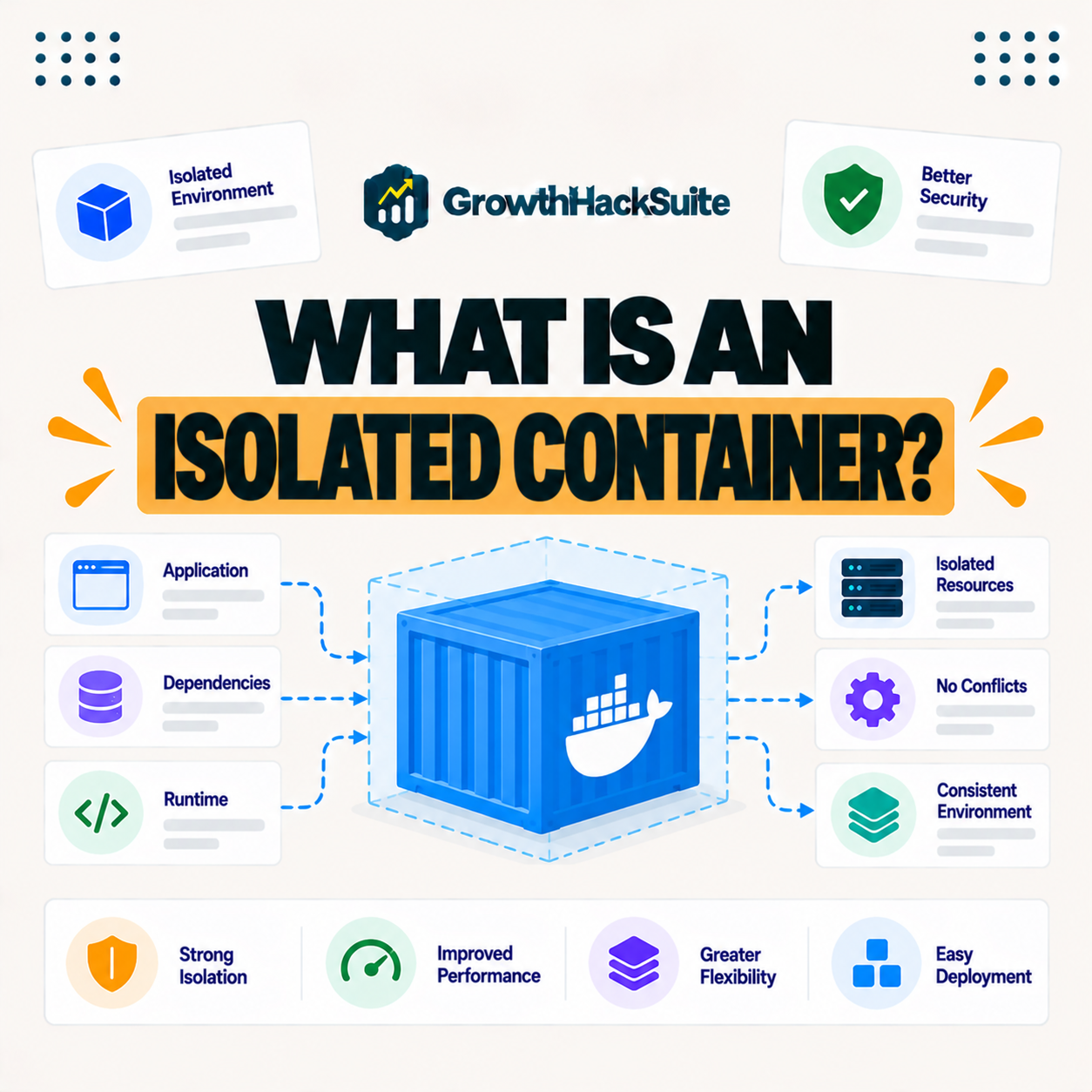
An isolated container gives each site its own self-contained environment. Learn how container isolation works and why it is safer and faster for hosting.
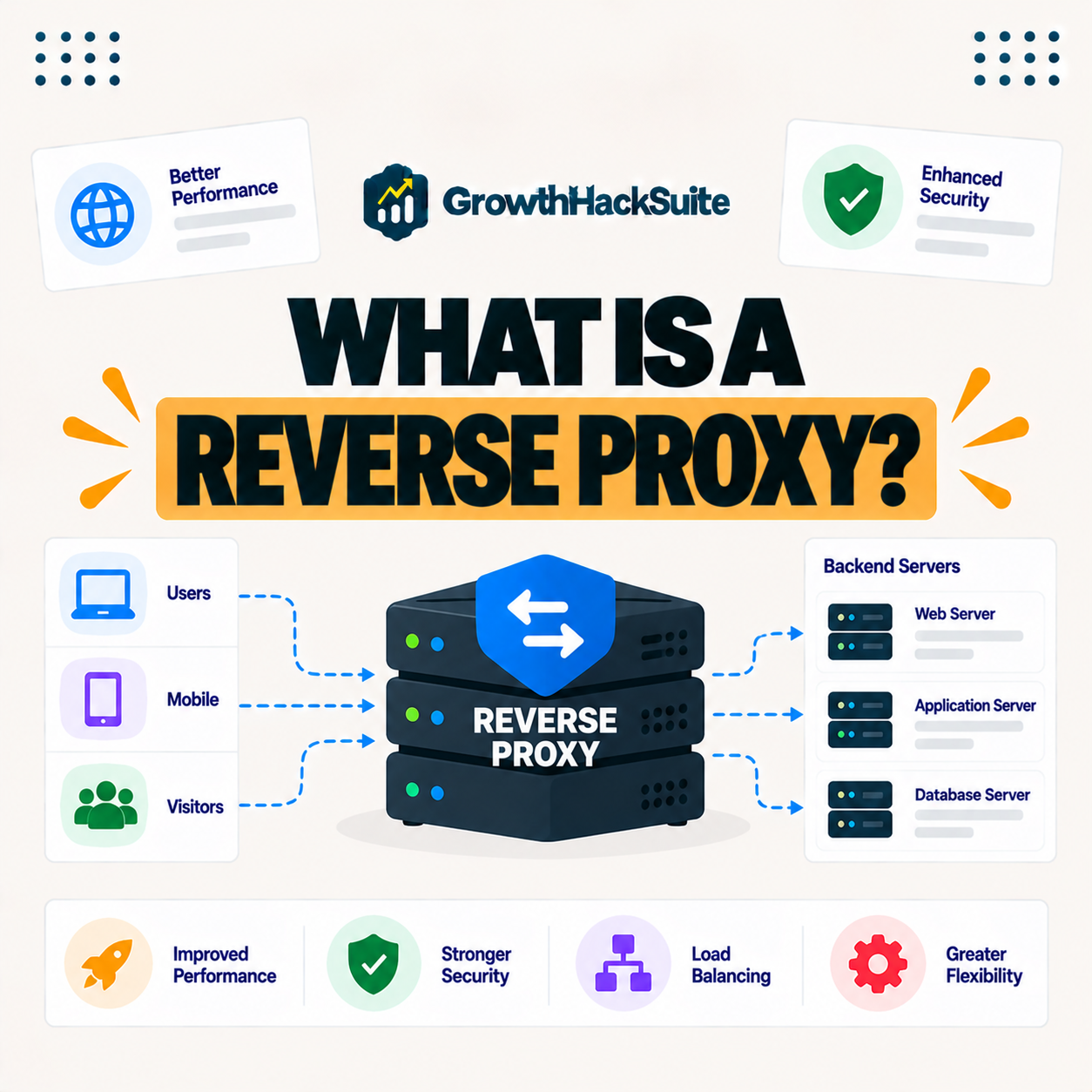
A reverse proxy sits in front of your servers and handles incoming requests. Learn how it works, how it differs from a forward proxy, and why hosts use one.
Honest reviews and verified pricing for sales, marketing & growth tools. Every tool tested by our team. No fluff, no sponsored rankings.